
Accelerated Loading

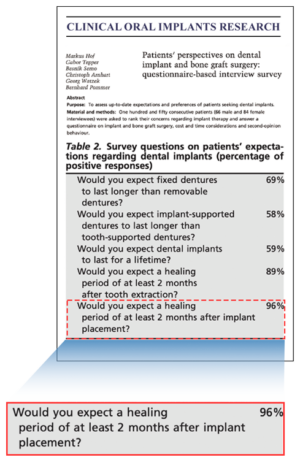
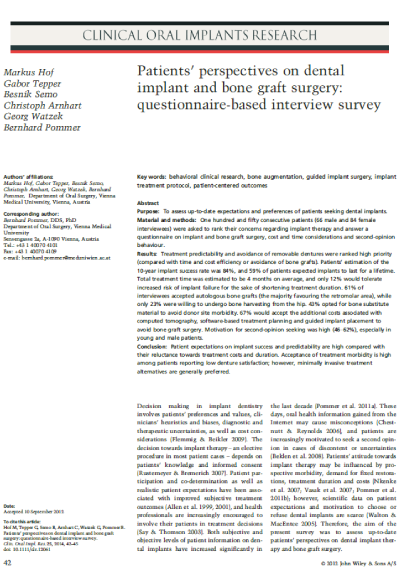
96%
of your patients expect full recovery within 2 months after an implant treatment. Accelerated Loading offers the possibility of achieving quick results, which not only increases patient satisfaction but also helps distinguish your practice.
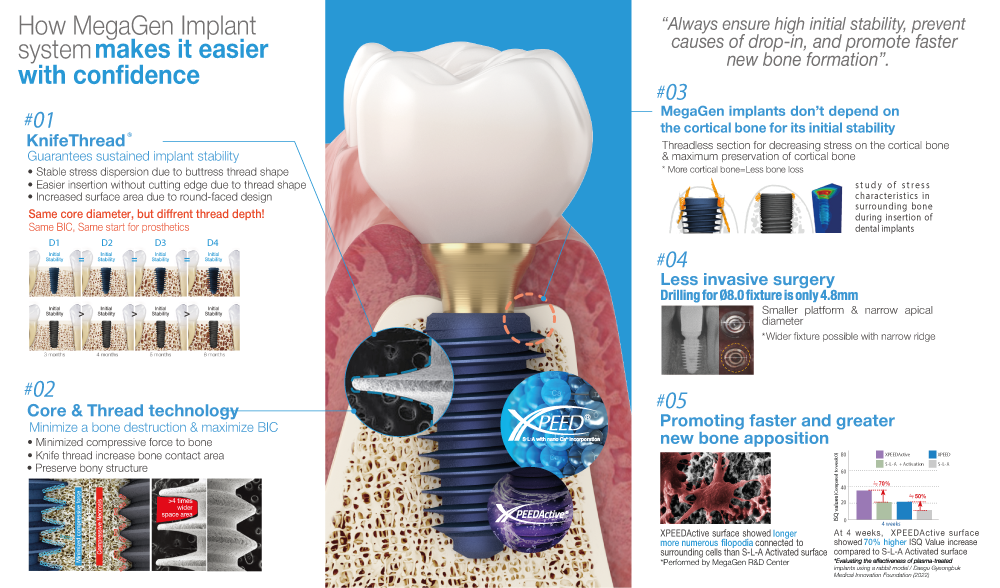
Despite all the benefits it offers, Accelerated Loading is not yet implemented by all clinicians. The main considerations when using Accelerated Loading are initial stability at the time of implant placement and the temporary loss of stability that occurs during the bone remodeling process. The key indicators for these factors are ITV (Insertion Torque Value) and ISQ (Implant Stability Quotient). With the right approach, Accelerated Loading can lead to a smooth recovery and an improved overall treatment experience for the patient.
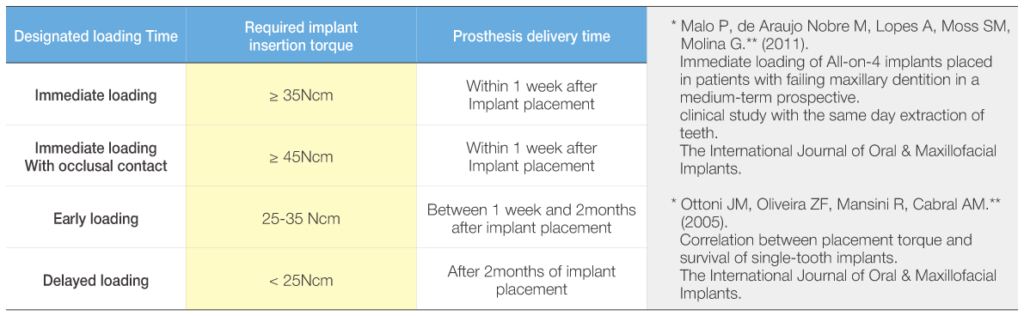
Determining loading times according to ITV
Many studies mention the required ITV (Insertion Torque Value) for immediate loading. However, in general, an ITV of at least 45 Ncm is needed for stable functional recovery. However, is it always possible to achieve an ITV of more than 45 Ncm in every implant treatment? This depends on several factors, such as the patient’s bone density and the drilling technique used.
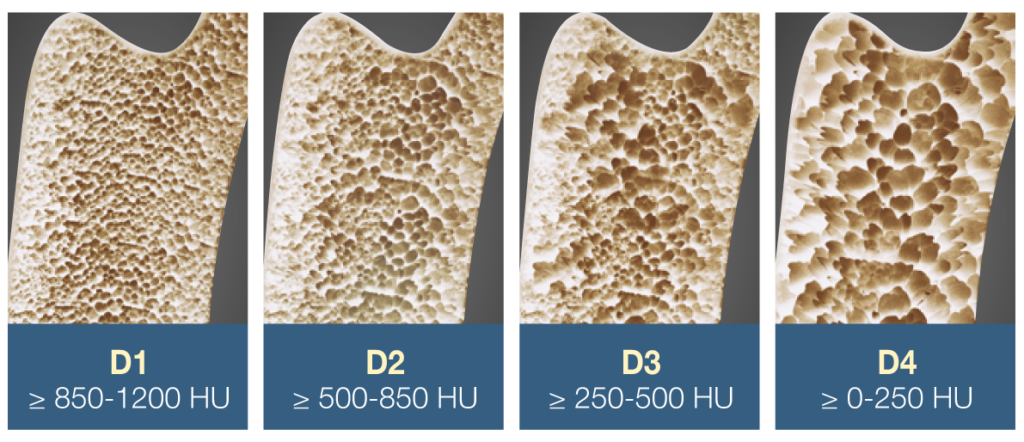
ITV is usually influenced by bone density, a factor that the patient has no control over. Bone density is an important element in determining how firmly the implant can be placed in the bone. For patients with low bone density, it can be more difficult to achieve the required ITV. According to a publication by Daniel Buser, about 80% of patients with a dental implant are over 40, with a significant number being over 50 years old. These patients often have a bone density of less than 300 Hounsfield units, which corresponds to D4-type bone, which is relatively soft and less dense.
ISQ (Implant Stability Quotient); The Stability of Implants
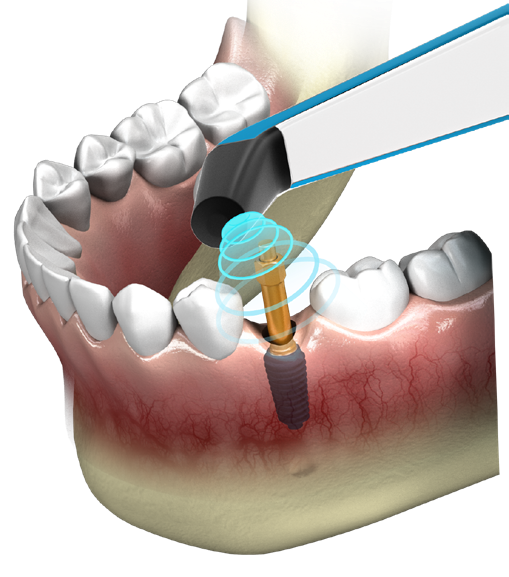
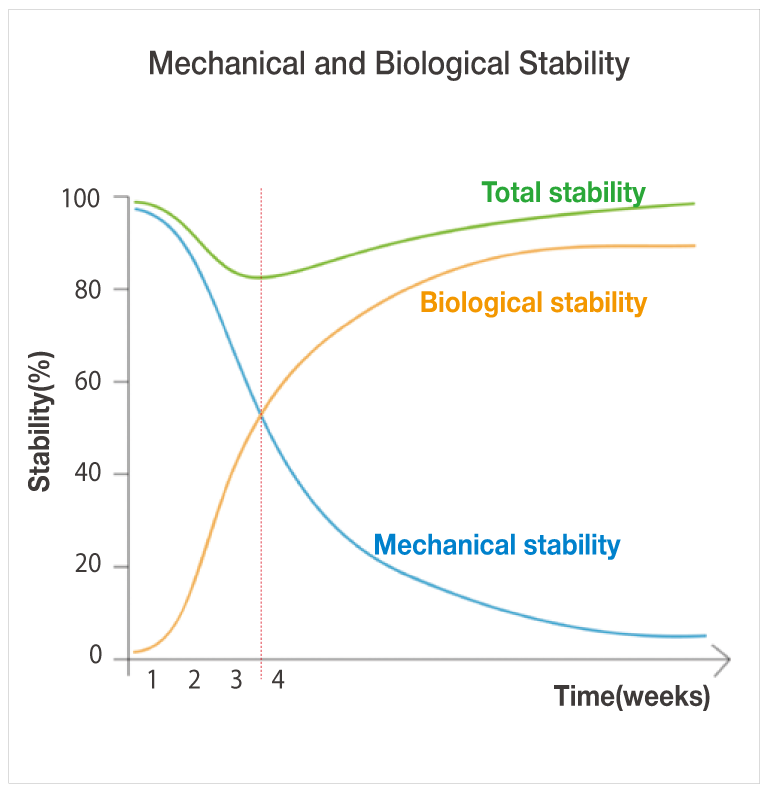
ISQ (Implant Stability Quotient) is an indicator used to measure and assess the stability of implants. ISQ relates to both mechanical and biological stability. Initially, ISQ primarily reflects mechanical stability, but as time passes and the implant integrates into the bone, it also reflects biological stability.
Implants
Prosthetic
Instruments
Regeneration
Digital
Equipment
Decrease in ISQ values up to 3 weeks
During the early periods of healing, a drop in ISQ values is typically observed around the third week. This drop is caused by osteoclastic bone resorption, bone remodeling, and the formation of secondary stability. A possible mild inflammatory reaction after the procedure also plays a role in the decrease of ISQ. This occurs as the transition takes place from initial mechanical stability to secondary biological stability.
The changes in the bone around the implant are considered the main reason for the temporary drop in ISQ values. This decrease is seen as a normal part of the process in which the implant builds long-term stability. Usually, ISQ values increase again over time.
5 Benefits of Accelerated Loading

Boost patient satisfaction with quick results:
Patients can enjoy their new teeth without a long wait, leading to a significantly improved treatment experience
Make your practice the preferred choice:
The shortened treatment time and immediate results give patients greater confidence in choosing your practice
Create a Competitive Edge:
By adopting fast loading, you differentiate your services from others, attracting more patients to your practice
Increase a revenue with efficient treatment:
Faster procedures mean you can treat more patients, naturally leading tot increased revenue
Provides comprehensive solutions, especially for dental tourism
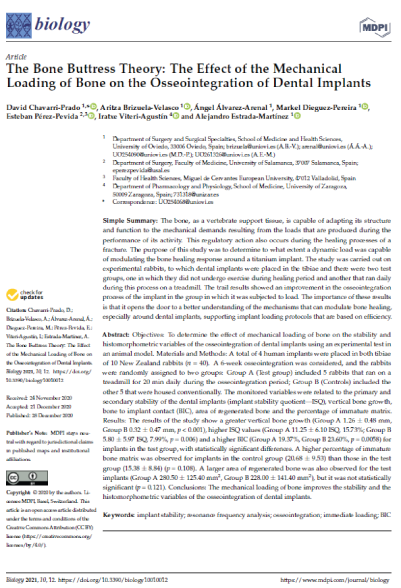
The Bone Buttress Theory:
The Effect of the Mechanical Loading of Bone on the Osseointegration of Dental Implants
Patients’ perspectives on dental implant and bone graft surgery: questionnaire-based interview survey
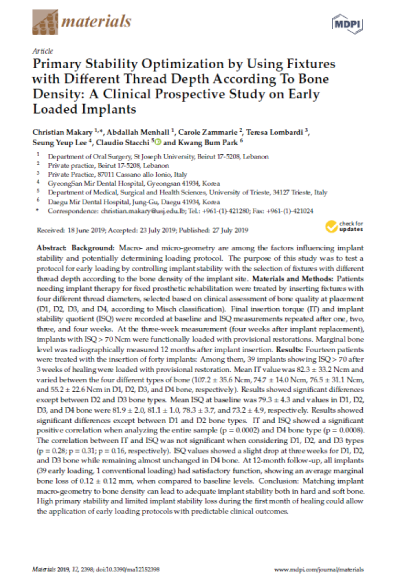
Primary Stability Optimization by Using Fixtures with Different Thread Depth According To Bone Density: A Clinical Prospective Study on Early Loaded Implants

 Waarom wij een AI-medewerker hebben aangenomen? Omdat we juist het persoonlijk contact met